Persecution, Mass Murder and Genocide in Comparative Perspective
This course provides you with introductory level knowledge and insight into processes of persecution, mass murder and genocide in the twentieth century, especially in the post-war era.
- Studieduur
- 6 weeks
- Voertaal
- Engels
- Startdatum
- 9 februari 2027
- Locatie
- Universiteitskwartier
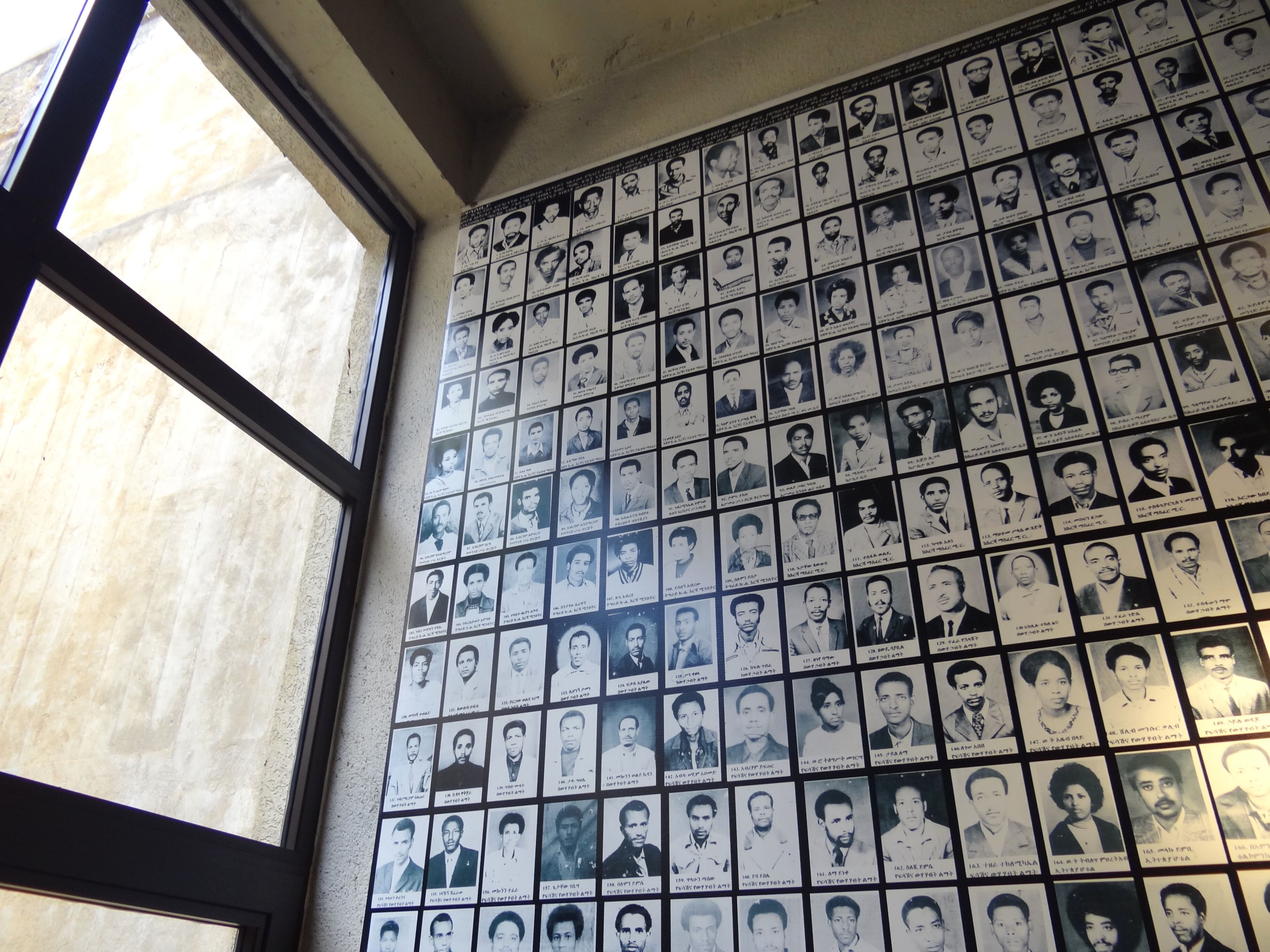
In December 1948, the United Nations ratified the Convention on the Prevention and Punishment of Genocide. Despite the promise to prevent genocides, numerous cases of genocide have since occurred in culturally, technologically and politically very diverse societies. This course focuses on the question of how and why this could happen.
The course is grounded in historical overview of process of mass political violence. We will study the international context, as well as intra-state power relations between political elites. Ideological radicalisation, structural preconditions and individual agency will be examined, both of perpetrators and victims. Finally, denial and recognition, punishment and prevention are discussed in a comparative manner. After an introductory lecture, important cases of mass political violence are discussed in depth.
Lecturer
- Vladimir Petrovic (NIOD)
Time, date, location and price
- 10 February - 24 March 2026
- Tuesday 09:00-12:00
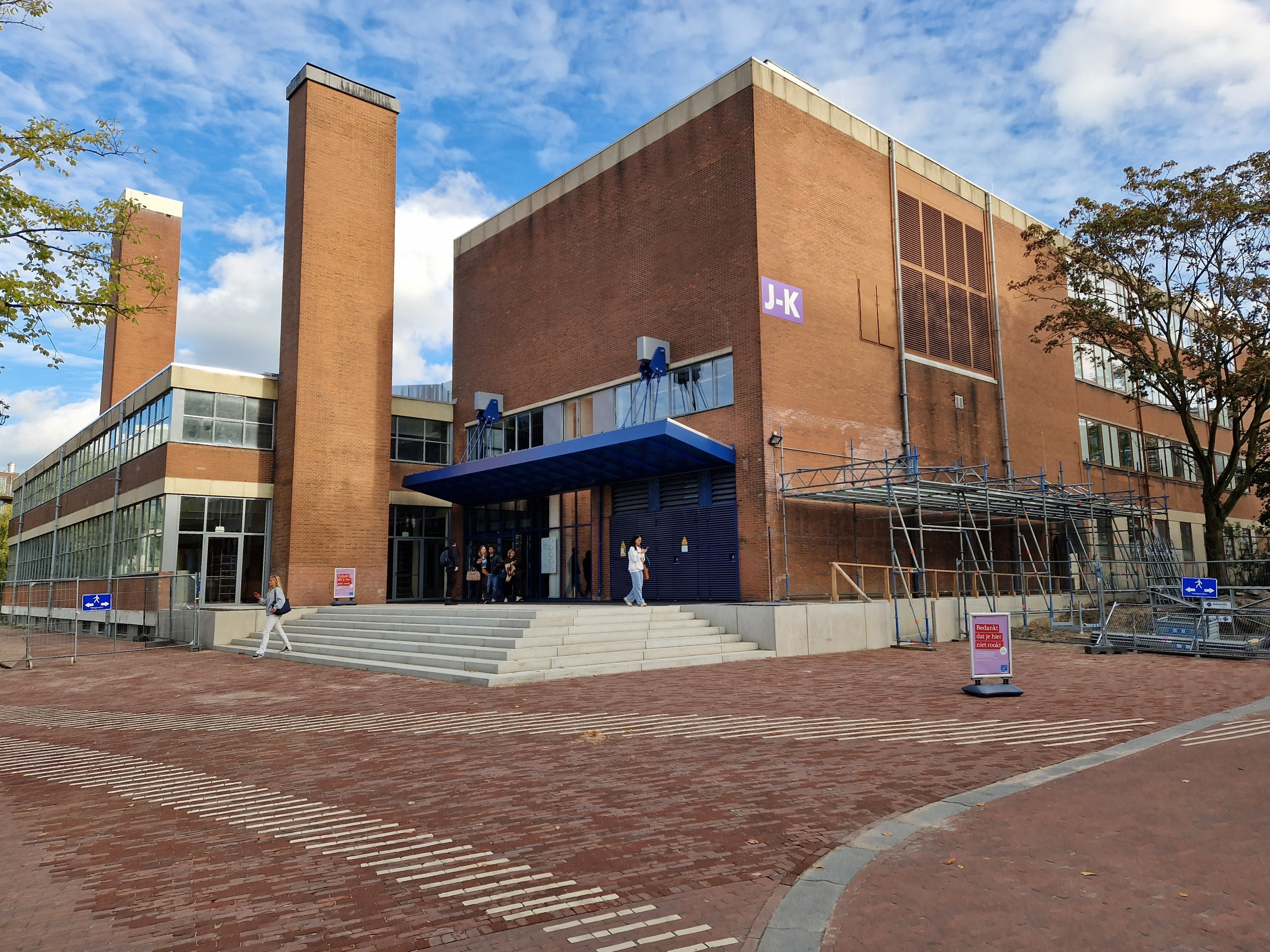
- Roeterseiland (REC), JK, B.11
- € 210 (AUV-members € 189)
- The registration deadline for this OUC is 21 January 2027
Important to know
- For the current study schedule, please consult the UvA timetable website
- You can only audit an OUC, which means that you may only attend lectures and cannot attend seminars, take part in the examination, or obtain ECTS credits.
Study material
- Adam Jones, Genocide: A Comprehensive Introduction (London: Routledge, 2016/2017, third edition).
- In addition to this book, participants read a number of other texts that are available digitally.
Public programme Humanities
This Open UvA Course is part of the Faculty of Humanities' public programme. Beside Open UvA Courses, the public programme also comprises special lectures and series of courses. The public programme is intended for alumni, employees looking for extra training, and all others who are interested in art, culture, philosophy, language and literature, history and religion.